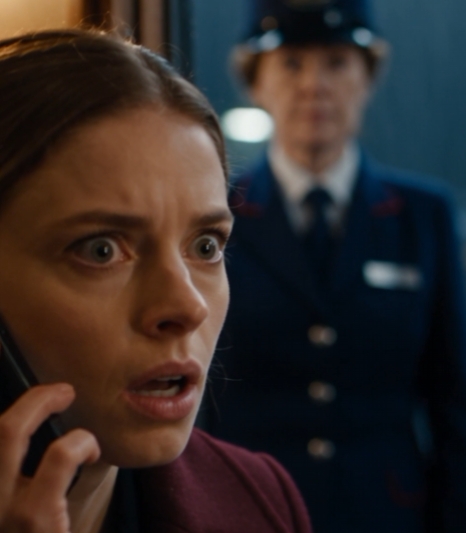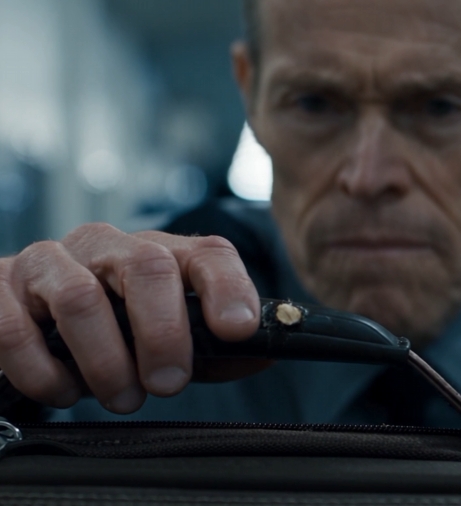
A wooden box rests on a seat aboard a ferry as a hand gently touches its lid. A man in a brown jacket walks down the aisle, his expression tense and disbelieving as he stares ahead.
Stopping before a woman in a blue coat, his voice cracks with disbelief and raw emotion: “Why do you have my ashes?”
The woman looks back at him, her eyes wide with shock and confusion. “They told me you died,” she whispers.
A heavy, suffocating silence settles between them. The man’s jaw tightens as he processes the impossible reality standing in front of him. “Who told you that?” he demands.
Closing her eyes for a brief second to steady her breathing, she looks at him and answers, “Your brother. He asked me to take you home.”
The revelation hits him like a physical blow. His knees weaken, and he slowly sits down on the bench seat, staring up at her with a mixture of betrayal and profound dread. “My brother hasn’t spoken to me in years,” he says, the pieces of a dark family betrayal finally snapping into place.
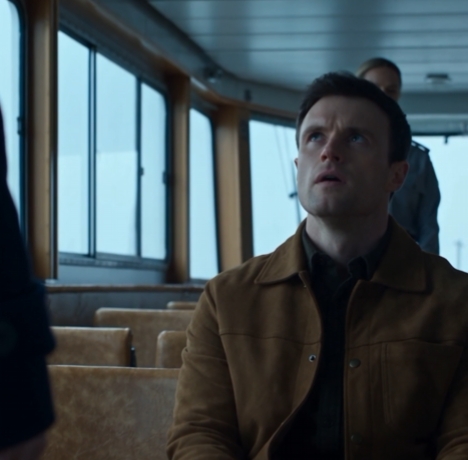
The ferry cuts steadily through the cold water, carrying two people trapped in the wreckage of a calculated lie. Sitting mere feet from his own supposed remains, the man realizes that his disappearance wasn’t a tragic accident or a misunderstanding—it was an erasure engineered by his own flesh and blood. The brother who inherited everything in his absence had paid for a fabricated death, orchestrating a silent exile.
For the woman holding the box, the realization is equally shattering; she was weaponized as an unwitting courier, carrying a dead man’s ghost back to a home that never wanted him to return. As the shoreline draws closer, the initial shock gives way to a cold, burning clarity. They are no longer grieving a loss; they are surviving a betrayal, and the journey home has suddenly transformed into a collision course with the brother who tried to bury them both.