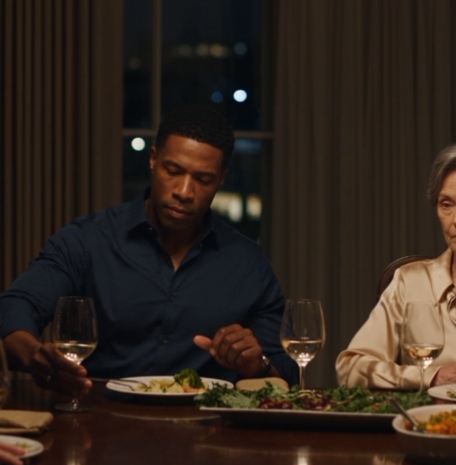
Clara waited until everyone had started eating before opening the envelope.
She expected a birthday card. Instead, she found a letter addressed to her mother in handwriting she recognized immediately.
Her father’s.
He had died when she was twelve.
“Where did you get this?”
Across the dinner table, her grandmother set down her fork.
“Your mother’s desk.”
Clara read the first paragraph.
I’ve rented a little house near the school. If Clara wants to stay some weekends, there’s a room for her.
She looked up.
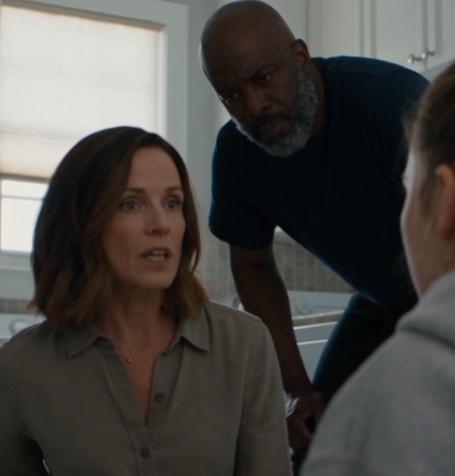
“You told me he moved away because he didn’t want us.”
Her mother stared at her plate.
“He did leave.”
“He moved near my school.”
Clara’s husband reached for her hand beneath the table. She let him hold it, but kept reading.
There were descriptions of a garden, a secondhand bed, and curtains her father hoped she would choose herself.
The letter was dated eight months before his death.
“Did he send others?”
Her grandmother placed a second envelope on the table.
“I found a bundle.”
Clara stood.
Nobody asked her to sit back down.
Over the next week, she read every letter. Some made her angry with him. Some made her angry with her mother. All of them complicated the story she had carried for twenty years.
Eventually, she contacted the woman who now lived in the little house.
The woman agreed to let her visit.
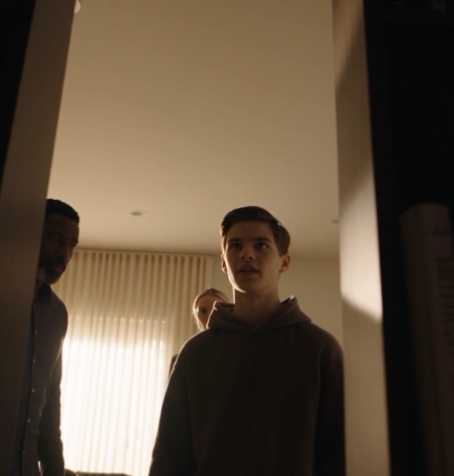
Clara walked through the narrow hallway into the room overlooking the garden.
It was a study now. There were shelves where her bed might have stood.
She didn’t feel the sudden peace she had imagined.
But on the journey home, she remembered something she had nearly forgotten: her father lifting her so she could reach a high branch.
That evening, she took his photograph out of a drawer.
She left room beside it for the letters.
End of Narrative