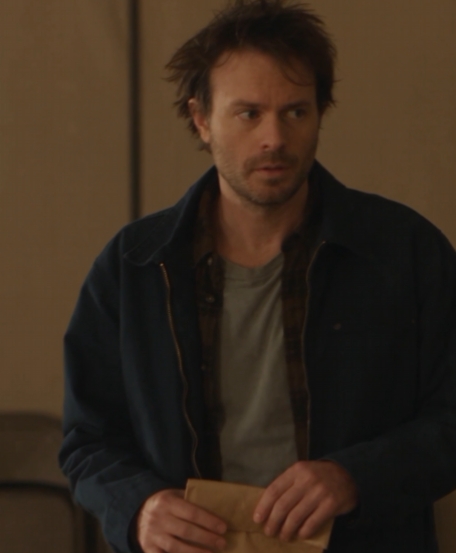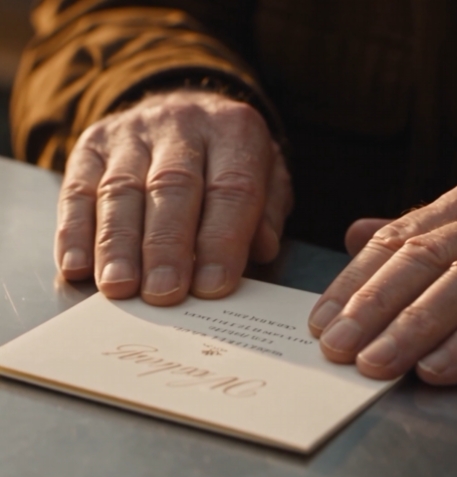
The old man placed an envelope on the station counter.
“I need someone to help me find this woman.”
The attendant began explaining that they couldn’t search passenger records, but the young woman standing beside her stopped listening when he removed the photograph.
“That’s my mother.”
The old man looked up.
“Your mother?”
In the picture, she stood beneath the station clock, holding a suitcase against her knees.
“She died in February,” the young woman said.
His hand settled slowly onto the counter.
“I’m sorry.”
“How did you know her?”
“My name is Arthur. I knew her before you were born.”
Leah waited.
He opened the envelope. Inside was a letter, creased almost through at the folds.
Her mother had written it forty years earlier, asking him to meet her at the station.
“I never came,” he said.
Leah stepped back.
“Why?”
“My father was ill. I thought staying made me a good son. But I didn’t telephone her. I let her wait.”
“And now you’ve come?”
He nodded, unable to make the decision sound reasonable.
Leah studied the photograph.
Her mother had rarely spoken about her youth. Yet one detail returned suddenly: whenever they passed the station, she glanced toward the clock.
“Did she have a happy life?” Arthur asked.
Leah thought of her father dancing badly in the kitchen, her mother laughing so hard she had to sit down.
“Yes.”
Arthur closed his eyes.
“I’m glad.”
Leah almost left him there.
Then she asked, “Do you have other photographs?”
Three weeks later, they met at a café. Arthur brought a small album. Leah brought photographs of the life her mother had actually lived.
They spent two hours turning pages.
At the end, Arthur offered her the old letter.
She shook her head.
“Keep it.”
Outside, an announcement called passengers to a departing train.
Leah checked her watch.
“I have to go.”
“Of course.”
She paused beside his chair.
“Same time next month?”
Arthur looked up.
This time, he said yes.
End of Narrative