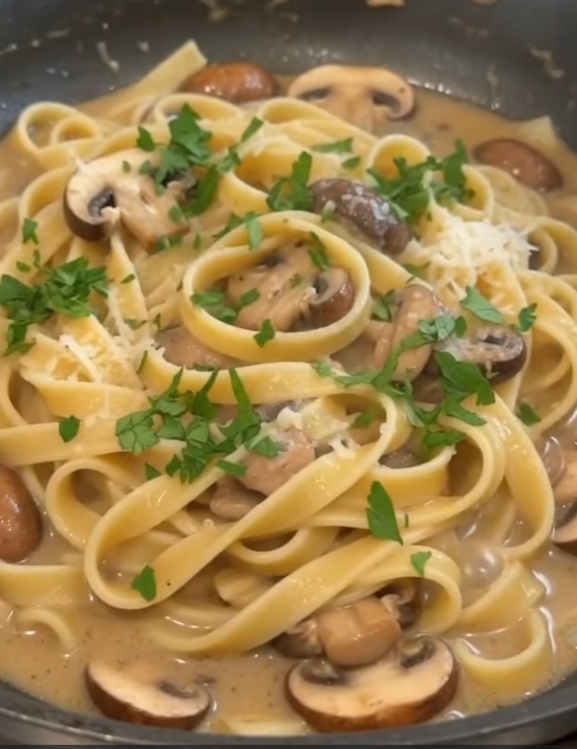
A silky, deeply savory ragù from Tuscany (Inspired). Wide ribbons of pappardelle are the traditional vehicle for this sauce, catching every shred of slow-braised meat .
Ingredients:
For the Ragù
| Ingredient | Amount |
|---|---|
| Ground beef (chuck or brisket) | 350 g |
| Ground veal | 250 g |
| Or substitute veal with ground chicken/turkey thigh | |
| Extra virgin olive oil | 3 tbsp |
| Unsalted butter | 2 tbsp |
| Yellow onion, very finely diced | 1 medium |
| Carrot, very finely diced | 1 small |
| Celery stalk, very finely diced | 1 |
| Garlic cloves, minced | 2 |
| Warm chicken or beef stock | 500 ml (plus extra as needed) |
| Whole milk | 120 ml |
| Parmigiano-Reggiano rind | 1 piece (optional but recommended) |
| Fresh sage leaves | 2 |
| Fresh rosemary sprig | 1 |
| Bay leaves | 2 |
| Freshly grated nutmeg | ¼ tsp |
| Fine sea salt & black pepper | to taste |
For the Pasta & Finishing
| Ingredient | Amount |
|---|---|
| Dried pappardelle | 400 g |
| Coarse salt | for the pasta water |
| Unsalted butter | 2 tbsp |
| Parmigiano-Reggiano, freshly grated | 80 g |
| Fresh flat-leaf parsley, chopped | a small handful |
| Extra virgin olive oil | for drizzling |
Instructions:
1. Build the Soffritto
Heat the olive oil and 2 tablespoons of butter in a heavy Dutch oven or wide braising pan over medium heat. Add the onion, carrot, and celery. Cook gently for 10–12 minutes, stirring often, until the vegetables are soft and translucent but not browned. Add the garlic and cook for 1 minute more.
2. Brown the Meat
Add the ground beef and veal. Increase the heat to medium-high. Break the meat up with a wooden spoon, but let it sit undisturbed for a minute or two at a time so it sears and browns rather than boiling in its juices. This should take 12–15 minutes. You want the liquid to evaporate and the meat to take on deep color — this is where the ragù gets its soul. Season with salt, pepper, and the nutmeg.
3. Deglaze & Simmer
Pour in about 250 ml of the warm stock, scraping the bottom of the pan to dissolve every browned bit. Add the remaining stock, sage, rosemary, bay leaves, and the Parmigiano rind (if using). The liquid should just barely cover the meat. Bring to a gentle bubble, then reduce the heat to the lowest possible simmer.
4. The Long Cook
Cover the pot partially and simmer for 1.5 to 2 hours, stirring every 20 minutes. Add splashes of hot water or stock if the pan looks dry. The ragù should never be soupy, but the meat must stay moist as it tenderizes.
5. Add the Milk
After the first 45 minutes of cooking, stir in the warm milk. This old Tuscan technique tenderizes the meat and gives the ragù a subtle, creamy roundness without making it heavy. Continue simmering.
6. Reduce to Perfection
Remove the lid for the final 20–30 minutes. Fish out the herb stems, bay leaves, and cheese rind. Let the ragù reduce gently until it is thick, glossy, and coats the back of a spoon. The meat should be spoon-tender. Taste and adjust salt and pepper.
7. Cook the Pappardelle
Bring a large pot of generously salted water to a rolling boil. Cook the pappardelle until al dente (if dried, usually 1–2 minutes less than the package indicates).
8. Marry Pasta & Sauce
Reserve 250 ml of starchy pasta water, then drain the pasta. Add the pappardelle directly into the ragù pot along with the remaining 2 tablespoons of butter and half the grated Parmigiano. Toss vigorously over medium heat for 1 minute, adding small splashes of pasta water if needed, until every ribbon is coated in the silky white sauce.
9. Plate & Serve
Divide among warm bowls. Shower with the remaining Parmigiano, scatter chopped parsley, crack black pepper over the top, and finish with a thread of your best extra virgin olive oil.
Serves: 4
Active time: ~30 minutes
Simmering time: 1.5–2 hours
Total time: ~2.5 hours
Active time: ~30 minutes
Simmering time: 1.5–2 hours
Total time: ~2.5 hours
Buon appetito! 🍝