An Ordinary Day That Felt Different
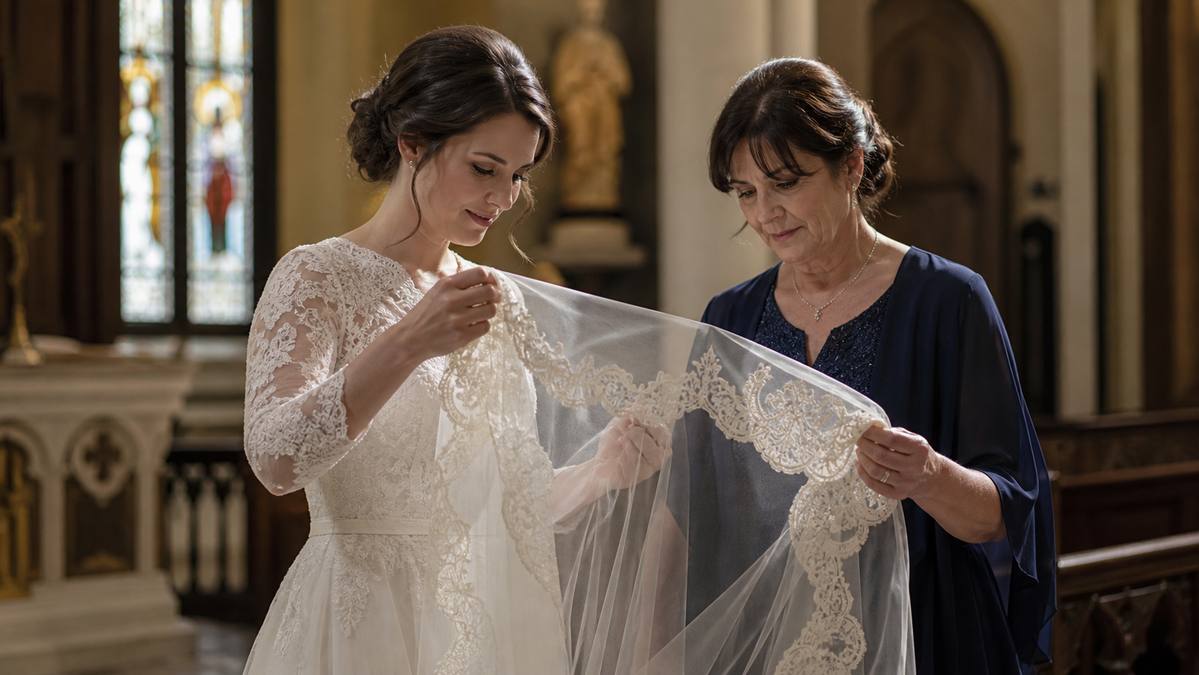
Celia expected the visit to the wedding chapel to be routine. The light, the familiar sounds, and the people moving through the room all suggested that nothing important was about to happen. Yet June behaved differently from the moment they arrived. A conversation stopped too quickly, a small object vanished into a pocket, and a simple question received an answer that sounded carefully rehearsed. Celia tried to dismiss the uneasiness, but years of shared history made every hesitation noticeable. By the time the afternoon ended, one thought had become impossible to ignore: somebody close to the family was protecting a secret, and that secret had already begun to affect everyone around it.
The First Sign of Betrayal
The first clue appeared almost accidentally. Celia noticed a receipt with an unfamiliar date, followed by a name that should not have been connected to the family at all. When asked about it, June offered a vague explanation and changed the subject. That response hurt more than the clue itself. Trust had always survived disagreements between them, but secrecy was different. Over the next several days, unanswered calls, missing documents, and whispered conversations created a pattern. Friends urged Celia to confront June immediately. Instead, Celia wrote down every detail, afraid that anger might turn uncertainty into an accusation that could never be withdrawn. Even caution, however, could not quiet the growing sense of betrayal.
A Question the Family Had Avoided
The mystery reached further into the past than Celia first understood. Old photographs revealed people standing at the wedding chapel years earlier, while a faded note referred to a promise nobody living seemed willing to explain. One relative remembered part of the story but refused to discuss the ending. Another insisted that digging into old pain would only create new pain. Celia began to realize that June had not invented the silence; the entire family had helped maintain it. That discovery did not excuse the present deception, but it changed the question. This was no longer only about what June had done. It was about why generations of people had decided that love required hiding the truth.
Following the Evidence
Determined to separate facts from fear, Celia returned to the wedding chapel and spoke with people who had witnessed the recent events. A clerk remembered an unusual request. A neighbor had seen June carrying a sealed package. A handwritten date matched an anniversary the family never celebrated. Each detail seemed small, but together they formed a timeline. Celia found copies of receipts, preserved messages, and compared the handwriting on two different notes. The investigation brought no satisfaction. With every answer, the possibility of a painful explanation became more believable. Still, Celia continued, knowing that a relationship built on assumptions would be weaker than one forced to face even the most uncomfortable truth.
The First Truth Comes Out
When Celia finally placed the evidence on the table, June stopped denying that something had happened. The first admission was startling: a letter was sewn inside the veil. For several moments, neither of them spoke. The explanation connected the dates, the missing object, and the strange behavior, but it did not repair the damage created by weeks of silence. June insisted that the secrecy had been intended as protection. Celia answered that protection without consent could feel exactly like control. Their conversation became painful but honest. Questions that had been avoided for years were finally spoken aloud, and both understood that discovering a reason was not the same as receiving an apology.
Why the Explanation Was Not Enough
The first truth answered how the secret had been kept, yet it did not explain why so many people had participated. Celia contacted a person named in the oldest document and learned that the family’s memory of the event was incomplete. A decision once described as selfish had actually followed a crisis. Money had changed hands, but not for the reason everyone believed. Someone had accepted public blame so another person could remain safe. June had inherited fragments of that story and tried to finish an old promise alone. The intention may have been generous, but the method repeated the same mistake: deciding what others could handle instead of trusting them with the truth.
The Second Reveal Changes Everything
Just when Celia believed the full story was known, a final piece of evidence emerged. the stranger was the sister June had searched for. The discovery reversed the meaning of the most suspicious action. What had appeared to be theft, rejection, or abandonment was connected to an imperfect attempt to preserve something precious. Even June had not known every consequence. The second reveal did not turn anyone into a flawless hero; real choices had caused real hurt. It did, however, expose the difference between cruelty and fear. Celia saw that the family had spent years judging visible actions while ignoring the private sacrifices beneath them. The truth was more complicated than betrayal, and therefore far more difficult to resolve.
A Conversation Without Excuses
That evening, Celia and June returned to the wedding chapel after everyone else had left. They agreed on one rule: neither would interrupt while the other explained what the silence had cost. Celia spoke about humiliation, sleepless nights, and the fear of being treated as an outsider in the family. June described the pressure of carrying a promise that had never belonged to one person. There were tears, defensive moments, and long pauses. No dramatic speech erased the past. What changed them was the decision to stop using good intentions as an excuse. June apologized specifically, and Celia acknowledged the sacrifices without pretending that gratitude canceled the harm.
Repairing More Than an Object
The next steps were practical. They contacted everyone affected, corrected the false version of the story, and returned what could be returned. Documents were copied and shared instead of hidden. Photographs were labeled so future generations would know the people inside them. Where money had been lost, a repayment plan was created. Where reputations had been damaged, the family offered public corrections rather than private apologies. Celia noticed that trust did not return in one emotional moment; it returned through repeated evidence. June showed up when promised, answered difficult questions, and accepted boundaries without complaint. Slowly, the mystery stopped controlling their daily lives and became a history they could examine together.
The Meaning of the Old Promise
Weeks later, the oldest surviving letter was read aloud. Its language was simple, but its message had been misunderstood for years. The promise had never demanded secrecy. It had asked the family to protect a person’s dignity until the danger passed, then tell the truth when it was safe. Fear had preserved the first instruction and forgotten the second. Celia understood why earlier relatives had hesitated, while June finally accepted that loyalty sometimes means revealing what is uncomfortable. Together they recorded the complete account, including their own mistakes. They wanted the next generation to inherit the lesson rather than the burden: love can protect, but silence that outlives its purpose can wound the very people it was meant to save.
A Different Kind of Ending
On the final visit to the wedding chapel, the object at the center of the mystery was placed where everyone could see it. It was no longer evidence in an argument or a symbol of betrayal. It represented the complicated truth: someone had sacrificed, someone had concealed too much, and someone else had found the courage to ask what happened. Celia and June did not promise that the family would never make another mistake. They promised something more believable—that questions would be answered, decisions would be shared, and love would not be measured by how much pain a person could carry alone. The past remained unchanged, but its meaning no longer belonged to secrecy.
What the Family Carried Forward
Months later, the story had become part of family gatherings, not as gossip but as a reminder. Younger relatives asked direct questions, and older relatives answered without editing away the difficult parts. Celia kept copies of every important document in a place accessible to everyone. June continued rebuilding trust through ordinary actions that required no audience. The family also created a small tradition connected to the wedding chapel, honoring both the sacrifice and the truth that had finally followed it. Whenever Celia looked back, the greatest surprise was not the secret itself. It was the realization that healing began only when everyone stopped searching for a perfect hero and accepted responsibility for writing a more honest ending together.