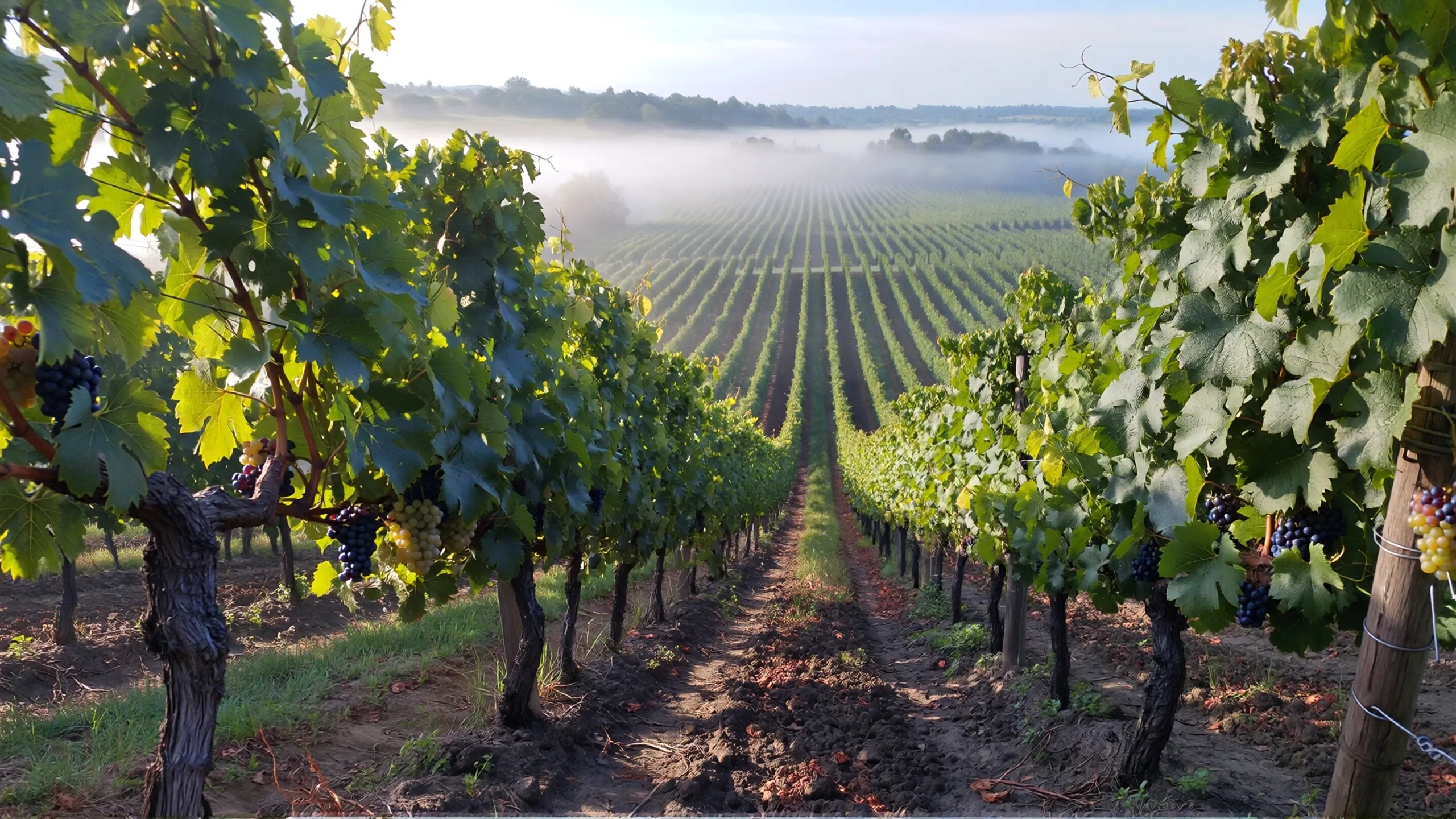
The Heat of the Harvest
The afternoon sun beat relentlessly on the rolling vineyards, baking the earth into a dusty crust. The temperature hovered near a blistering 95°F. While this intense heat is vital during the late summer months to increase the grapes’ sugar content—measured in Brix—it is absolutely punishing for anyone working the rows.
The Summary of the Video:
An arrogant manager attempts to kick a muddy farmer out of a luxury wine lounge, but a young employee steps in to kindly offer the man water instead. The vineyard’s owner arrives and fires the manager on the spot, revealing that the unassuming farmer is actually the master agronomist responsible for their award-winning wine.
Top 7 Interesting Facts About Vineyards
While the tasting room might be where the wine is enjoyed, the real magic happens out in the dirt.
Here are some more fascinating, behind-the-scenes facts about grapes, viticulture, and the science of winemaking:
-
The Great Save of the 19th Century: In the late 1800s, a microscopic, root-eating insect called Phylloxera accidentally hitched a ride from the Americas to Europe and nearly wiped out the entire European wine industry. The ingenious solution? Farmers discovered that North American grapevines were naturally resistant. To this day, the vast majority of the world’s fine wine grapes are grown on European vines that have been physically grafted onto hardy American rootstocks.
-
Botanically, Grapes are Berries: From a strict botanical standpoint, grapes are classified as true berries. They develop from a single flower with one ovary, putting them in the exact same botanical family as blueberries, cranberries, and even tomatoes.
-
How Many Grapes in a Bottle? It takes a lot of fruit to make a single vintage. On average, you need about 600 to 800 individual grapes—or roughly 2.5 pounds of fruit—to produce just one standard 750ml bottle of wine.
-
Over 10,000 Varieties: While most restaurant menus feature the heavy hitters like Cabernet Sauvignon, Chardonnay, Merlot, and Pinot Noir, there are actually over 10,000 known varieties of wine grapes (Vitis vinifera) in the world. However, only about 13 of those varieties cover more than one-third of the world’s vineyard acreage.
-
The “Tears” of Wine: If you swirl a glass of wine, you will see clear droplets form and slowly run down the inside of the glass. These are called the “tears” or “legs” of the wine. This is a scientific phenomenon known as the Marangoni effect, caused by fluid surface tension and the rapid evaporation of alcohol. Contrary to popular belief, heavy tears indicate a higher alcohol content, not a higher quality of wine.
-
The Magic of Ice Wine (Eiswein): For this rare, sweet dessert wine, farmers purposefully leave the grapes on the vine long after the normal harvest, waiting for a hard winter freeze. Because water freezes but sugar does not, pressing the frozen grapes yields a tiny, incredibly concentrated drop of syrupy juice. The harvest often has to happen in the dead of night to ensure the grapes don’t thaw before reaching the press.
-
Canopy Management is Crucial: The leaves of a grapevine are just as meticulously managed as the fruit. Viticulturists practice “canopy management,” selectively plucking leaves to ensure the grape clusters get the exact right amount of sunlight and airflow. Too much sun, and the grapes will literally get sunburned (giving the wine a bitter taste); too much shade, and they won’t ripen fully or could develop mildew.