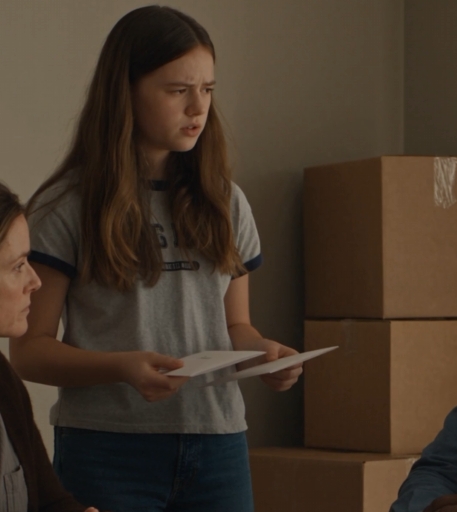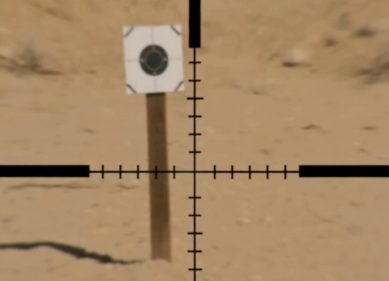
The training range was a place of cold, calculated precision. But the rookie brought a different kind of energy. After a string of failures, he had finally found his rhythm.
“13 shots, 13 misses. I’m training blind rookies, not elite snipers.”
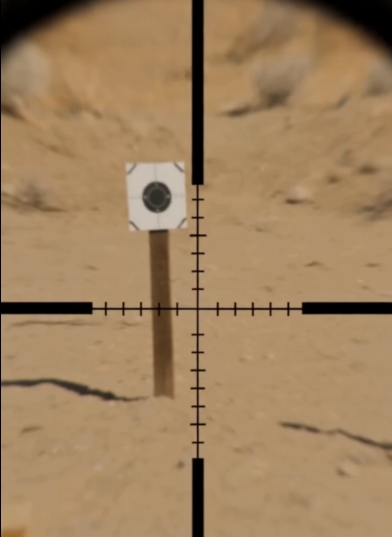
He knew he hadn’t been failing because of incompetence, but because the modern equipment was fighting against the reality of the canyon.
“The bullet is catching an updraft off the canyon wall.”
The instructor challenged his confidence. “Think you know the wind better than the spotters? Take the shot, hero.”
He took the shot. The target shattered.
“Where did you learn to shoot like that?”
“I grew up hunting in canyons just like this. You learn to read the wind, or your family goes hungry.”
Decades ago, before the industrialization of sniping, marksmen were masters of their micro-climates. They didn’t rely on spotters to tell them the wind speed; they became the wind. They watched the dust devils dance in the distance and the way the birds flew to predict the shifting air currents. They treated every shot as a life-or-death gamble because it usually was. This recruit wasn’t just a soldier; he was a relic of that lost art, reminding everyone that while technology is powerful, instinct is the ultimate weapon.