Navigating the Unique Phase: Life After 70
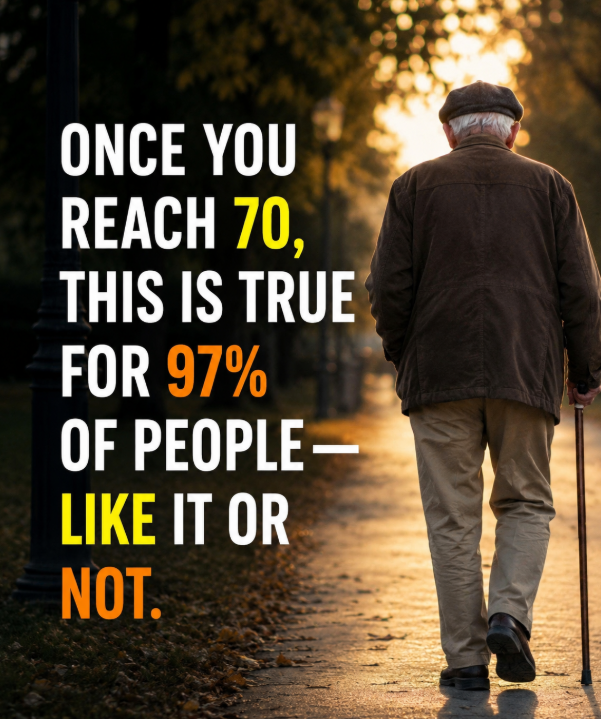
Aging is a privilege that many of us take for granted, yet the transition into one’s 70s often feels like entering a “unique phase” of life. It is a period where the body’s internal systems begin to shift, not overnight, but through a gradual, cumulative process.
While some of these changes can feel daunting, understanding them early is the most effective way to maintain independence, comfort, and vitality.
One of the most common early signals of this phase is a change in sleep patterns. As we age, our bodies produce less melatonin—the hormone responsible for deep, restorative sleep. This often leads to lighter sleep, frequent nighttime awakenings, and increased sensitivity to noise or light. Many people misinterpret this as chronic insomnia, but it is frequently a normal physiological adjustment.
Simple strategies, like increasing exposure to natural morning light and limiting blue-light-emitting screens in the evening, can significantly improve sleep hygiene. Establishing a firm “wind-down” routine is no longer just for children; it is a necessity for seniors who want to protect the quality of their rest.
Temperature regulation also becomes less predictable after 70. The body’s ability to adapt to environmental changes slows down, making older adults more susceptible to extreme heat or cold. This is not just a matter of comfort; it is a serious safety concern, as it increases the risk of heatstroke or hypothermia.
Seniors should be encouraged to dress in layers, even when at home, and to maintain consistent hydration, which helps the body regulate its internal thermostat more effectively.
Digestion, too, undergoes a significant transformation. As stomach acid production and intestinal efficiency decline, many seniors find they can no longer handle large meals as they once did. This can lead to decreased appetite or nutrient deficiencies, specifically in essential vitamins like B12, iron, and calcium.
The solution is often a shift toward smaller, more nutrient-dense meals that prioritize fiber and consistent hydration. By anticipating these changes rather than reacting to them, we can ensure that our 70s and beyond remain a time of health and active enjoyment rather than limitation or frustration.