I stood in the hushed, mahogany-paneled office of Evelyn’s attorney, my heart hammering against my ribs like a trapped bird. The room smelled of old paper, expensive leather, and the heavy, stagnant weight of finality. In my trembling hands, I clutched a nondescript, dust-covered shoebox that I knew—with a visceral, sickening certainty—contained the absolute end of the life I had constructed.
To the outside world, I was the devoted, grieving widower, the man who had selflessly stayed by Evelyn’s side through her rapid decline and sudden, tragic passing. My performance at the funeral had been a masterclass in calculated sorrow; I had shed the right tears, worn the right somber colors, and offered the right platitudes to her weeping relatives.
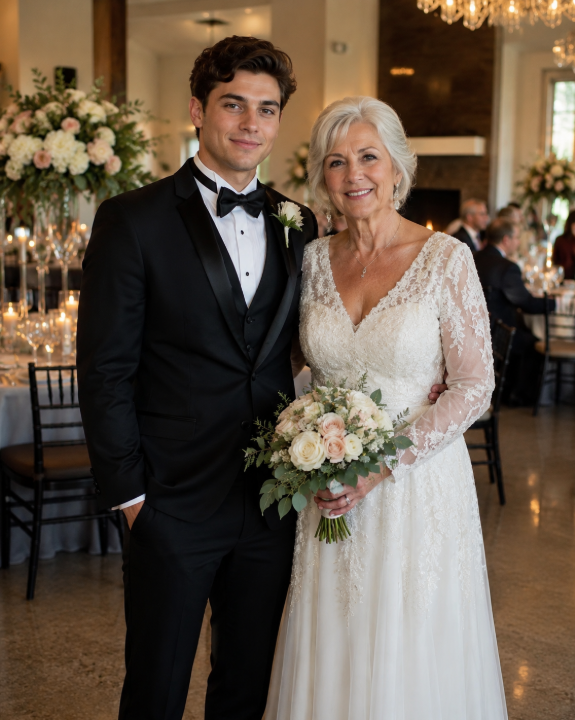
But behind the veneer of my public persona was a rotting secret buried under layers of cold-blooded, long-term calculation. I had married Evelyn when I was twenty-five, a man drowning in insurmountable debt and living out of the back of a rusted truck in a grocery store parking lot.
She was seventy-one, a gentle, widowed woman whose comfortable home offered the only sanctuary I had ever known. When she proposed, I didn’t see a life partner; I didn’t see the woman who had nurtured her garden for decades or the widow who played jazz records on Sunday afternoons. I saw a paycheck. I saw a way to insulate myself from the crushing desperation that had defined my early adulthood.
I told myself it was just a smart move—a strategic, necessary trade-off for survival. I told myself that love was a luxury for people who didn’t have to worry about where their next meal was coming from. My friend Jesse was the only one privy to the truth, and we often sat in the back of dive bars, laughing over beers about how I had successfully secured a retirement plan that would eventually pay out in full. Before the courthouse wedding, Evelyn presented me with a prenuptial agreement.
She looked at me over her spectacles with a quiet, unsettling wisdom, remarking that “hunger often drives good people to do ugly things.” I signed the documents with a cocky, dismissive indifference, foolishly believing that wills were merely ink on paper and that I was far too clever to be constrained by a few legal clauses.
For the years that followed, I treated our marriage like a countdown, waiting for the day I would finally be free of the “burden” of her presence so I could finally begin the life I had envisioned. When she finally died, the relief was almost intoxicating.
But the morning after the service, when I sat across from Mr. Carson, the floor dropped out from under me. The house was left to her niece; her savings were donated to a foundation for the elderly. I was left with absolutely nothing but a single, dusty shoebox.
Inside, I found a printout of a text message I had sent to Jesse, gloating about how I would finally be set once she was gone. Beneath it lay a thick stack of receipts—my expensive boots, my tailored coats, the repairs for my car—each one meticulously annotated with her own handwriting.
Evelyn hadn’t been oblivious; she had been watching me play the part of a loving husband while she quietly cataloged my betrayal. The final letter she left me didn’t scold or rage; it simply offered me a path toward redemption, forcing me to decide if I would continue my life as a fraud or finally face the world with the brutal truth. I chose the truth, and though it cost me my status, it finally bought me back my soul.