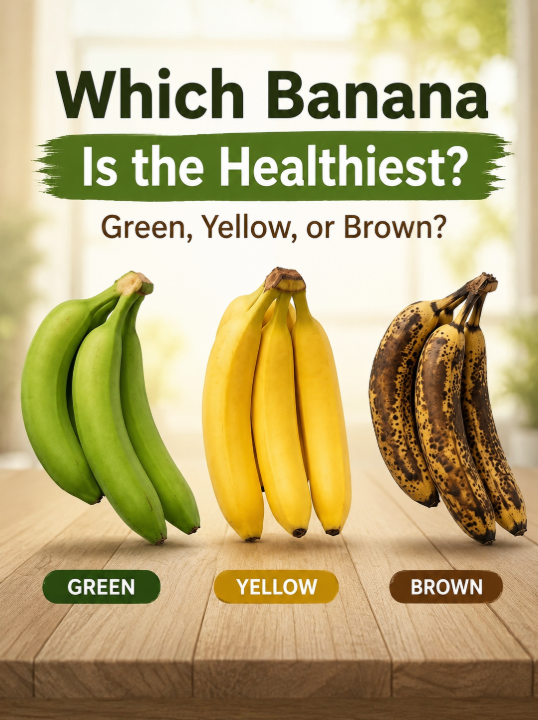
The Science of the Banana: A Guide to Ripeness
Bananas are arguably the world’s most ubiquitous fruit. Prized for their convenience, affordability, and natural sweetness, they have become a staple in kitchens globally. Whether they are being sliced into a morning bowl of porridge, blended into a post-workout smoothie, or baked into a loaf of moist banana bread, this humble fruit is incredibly versatile.
However, there is a nuance to the banana that many consumers overlook: the fact that its nutritional profile and flavor characteristics change significantly as it matures.
The journey from a firm, green banana to a soft, brown-spotted one is not merely a cosmetic transformation. It is a complex chemical process driven by internal enzymes. When bananas are first harvested, they are rich in starches, which provide a firm texture and a milder, less sugary flavor.
As the ripening process progresses, these starches undergo a conversion into simpler sugars, specifically glucose, fructose, and sucrose. This is the reason why a bright yellow banana tastes markedly sweeter than its green counterpart.
As the fruit reaches the final stages of its lifecycle, the peel develops brown spots. While many shoppers mistakenly perceive these as signs of decay, they actually indicate that the banana has achieved its peak level of sugar concentration.
Understanding this progression can do more than just improve your culinary results; it can help you align your banana consumption with your dietary objectives. For instance, those looking to manage blood sugar levels might prefer less ripe bananas due to their higher resistant starch content, while those looking for natural energy or specific baking results might opt for the sweeter, spotted variety. By paying attention to these stages, you can minimize household food waste and ensure that every banana you buy is used at its absolute best.